Introduction: The Importance of Injury Treatment in First Aid
In the realm of emergency treatment, wound care stands as a cornerstone ability that every initial aider have to master. Whether you're reacting to a minor scrape or a severe laceration, understanding the nuances of injury administration can dramatically affect results. Not just does proper injury treatment advertise healing, but it also reduces infection risks and makes certain patient comfort. In this detailed overview, we'll explore the Wound Treatment Fundamentals: Essential Abilities Every First Aider Ought to Master, covering everything from fundamental methods to sophisticated practices.
Wound Care Essentials: Essential Skills Every First Aider Must Master
Understanding Injuries: Kinds and Classifications
When it involves wound treatment, the initial step is recognizing the kind of injury you're managing. Injuries can be categorized right into numerous groups:

- Closed Wounds: These include contusions and hematomas where the skin stays intact. Open Wounds: This category encompasses various types like abrasions, lacerations, punctures, and avulsions.
Understanding these categories not only aids in therapy yet additionally helps in predicting possible difficulties such as infections.
Assessing the Seriousness of a Wound
Before initiating any therapy, it's important to evaluate the seriousness of the wound. Variables to think about consist of:
- Depth: Is it shallow or deep? Size: Just how large is the wound? Location: Where on the body is it situated? Contamination Degree: Exists dirt or debris present?
This analysis will guide you on whether you can take care of the injury in the house or if specialist medical help is required.
The DRSABCD Protocol in Injury Management
One of the fundamental principles in emergency treatment is complying with the DRSABCD method:
Danger-- Make sure safety for both yourself and the injured person. Response-- Inspect if the individual is responsive. Shout for aid-- If unresponsive, ask for emergency situation services. Airway-- Ensure their air passage is clear. Breathing-- Check for normal breathing. CPR-- If not breathing, start CPR. Defibrillation-- Utilize an AED if available.By adhering to this method, you lay a solid structure for efficient wound care.
Gathering Necessary Supplies
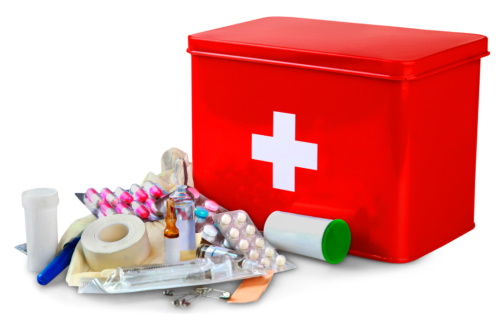
Before you begin dealing with an injury, guarantee you have all required supplies handy:
- Sterile gloves Antiseptic wipes or solution Sterile gauze pads Adhesive bandages Medical tape Scissors Tweezers (for removing particles)
Having these things prepared can simplify your reaction time and improve client outcomes.
Cleaning a Wound Properly
Cleaning a wound efficiently is critical to prevent infection. Here's just how to do it:
Wash your hands completely with soap and water or utilize hand sanitizer. Put on sterilized gloves. Rinse the injury carefully under clean running water for at least 5 minutes. Use antiseptic wipes around however not straight on the injury to avoid irritation.This meticulous method reduces bacterial lots and prepares the area for further treatment.
Dressing Methods for Various Sorts Of Wounds
Dressing injuries correctly varies based on their type:
For Abrasions:
Apply an anti-bacterial ointment and cover with Comprehensive CPR Courses Sydney a non-stick gauze pad safeguarded with sticky tape.
For Lacerations:
If bleeding is extreme, use stress before dressing with a sterile gauze pad.
For Slit Injuries:
Do not remove any object embedded in a puncture; instead, dress around it and look for medical interest promptly.
Employing proper clothing methods minimizes scarring and advertises optimum healing conditions.
Recognizing Indications of Infection
After treating an injury, watching out for signs of infection is critical:
- Increased soreness around the site Swelling or warmth Pus or unusual discharge Fever
If any of these signs arise, look for clinical assistance instantly as prompt treatment can prevent severe complications.
Advanced Methods: Stitches and Staples
While most minor wounds can be handled with standard techniques talked about previously, some may need stitches or staples-- a treatment ideal left to trained medical professionals.
When Are Sews Necessary?
Stitches are commonly needed when:
The cut sides can not be easily brought together. The depth surpasses half an inch. There's substantial gaping.Recognizing these situations makes certain that individuals obtain proper treatment without unnecessary delays.
Blended Emergency treatment Understanding Approaches
With advancements in training techniques-- like mixed first aid learning-- first aid training courses now incorporate online theory with hands-on skill demonstration sessions. This strategy boosts understanding while enabling sensible applications that are crucial for grasping abilities like injury treatment basics.
Corporate First Aid Courses: Tailored Training Solutions
Organizations often need tailored training services to ensure workplace compliance concerning first aid preparedness. Company emergency treatment programs emphasize industry-specific scenarios that workers might deal with while likewise implanting important abilities like those needed for efficient injury management.
Comparing Training Organisations: What You Required to Know
When choosing a training organization for your emergency treatment qualification (such as HLTAID011 Supply First Aid), take into consideration factors including reputation, program web content significance (e.g., concentrating on work environment conformity), instructor experience, Sydney First Aid trainee reviews, etc, ensuring you choose one that fulfills your details needs.
|Standards|Organisation|Organisation B|| ------------------------------|--------------------|--------------------|| Course Prices Malfunction|$150|$200|| Period|8 hours|10 hours|| Practical Parts|Yes|Yes|| Online Support|Yes|No|
This sort of comparison aids possible first aiders make educated decisions when seeking appropriate training programs tailored to their unique requirements.
How Lengthy Is The Course?
The period varies commonly depending on training course objectives-- varying from half-day sessions concentrating exclusively on basic abilities to multi-day programs incorporating thorough elements like advanced first-aid strategies (HLTAID014). Always verify training course size when enrolling so you can plan accordingly!
Renewal Frequency: Keeping Your Abilities Up-To-Date
First help qualifications usually call for renewal every 3 years; however, it's important to check particular requirements based on your local guidelines as they can vary substantially across regions within Australia!
Parent-Focused Courses: Beyond Basic Skills
Many companies offer parent-focused training courses designed clearly for caregivers taking care of children; these sessions explore topics such as warmth stroke emergency treatment Australia while gearing up moms and dads with vital knowledge about dealing with usual household injuries effectively!
Specialized Training: Industry-Specific First Aid
Certain sectors have distinct threat variables demanding specialized training; building site emergency treatment courses highlight this necessity clearly! Individuals discover exactly how finest to take care of injuries appropriate particularly within that environment-- boosting overall work environment safety standards dramatically!
FAQs Concerning Wound Care Basics
What prevail kinds of wounds I need to understand about?- Common kinds consist of abrasions (scrapes), lacerations (cuts), slits (such as from nails), and avulsions (torn skin).
- If blood loss does not stop after using pressure or if edges can not be combined quickly-- see a medical care specialist immediately!
- It ought to have things like adhesive bandages, sterile gauze pads/tape/antiseptics along with vital medications (e.g., discomfort alleviation) customized according your market's needs!
- Absolutely! Move them into great shade/air conditioning while providing liquids till aid arrives; monitor their temperature level carefully too!
- Certainly! Blended combines academic on-line learning complied with by functional application sessions whereas in person relies only upon instructor-led mentors without electronic assistance devices which may be less appealing overall!
6. How do I become a qualified instructor myself?
- To become a first aid fitness instructor Australia please get in touch with accredited organizations using courses made specifically aimed at qualifying hopeful instructors-- it'll entail demonstrating proficiency alongside finishing needed assessments efficiently!
Conclusion: Grasping Injury Treatment Fundamentals Is Essential
In final thought, mastering wound care basics indicates more than just obtaining technological knowledge; it's about developing self-confidence in the middle of emergencies while making sure safety and security all-around! By accepting continuous education and learning via combined knowing techniques together with requiring business training frameworks-- you'll strengthen preparedness degrees across both personal & & expert rounds alike! So whether embarking upon first-aid certification Australia pursuits or developing existing skills towards coming to be an instructor yourself-- the trip begins today toward coming to be skilled within this crucial life-saving domain!

First Aid Pro is one of Sydney’s leading providers of accredited CPR and first aid courses. Established in 2012, our nationally registered training organisation (RTO) has equipped over 2.6 million Australians with essential life-saving skills through our experienced team of over 110 expert trainers. Conveniently located in the heart of Sydney at Chambers Arcade Level 15, Suite 1501/370 Pitt Street, Sydney NSW 2000, we offer top-quality, nationally accredited CPR and first aid training sessions tailored to your needs—whether for workplace requirements, career advancement, or personal safety. From childcare-specific first aid to advanced first aid and resuscitation, we’ve got you covered! Secure your Sydney first aid course or CPR training with us and build the confidence to handle emergencies with a trusted Sydney first aid provider. Take the first step towards becoming a skilled and capable first aider with First Aid Pro today! Call today on 08 7120 2570.